
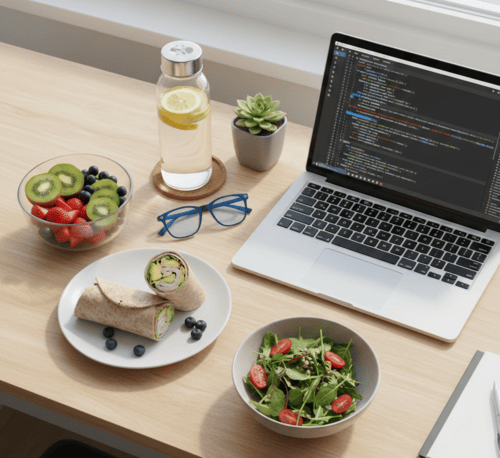
Software professionals often spend long hours working at a desk, managing deadlines, attending meetings, and concentrating on demanding tasks. During busy workdays, it can be easy to overlook regular meals, hydration, and basic food safety.
Healthy eating does not guarantee better code or higher productivity, but balanced meals, adequate fluids, and safe food-handling practices contribute to general well-being. This guide covers nine practical habits that developers and other desk-based professionals can adapt to their everyday routines.
These are general wellness and food-safety suggestions, not individual medical or nutritional advice.
Hygienic Eating Habits for Software Engineers
The brain uses a substantial share of the body’s energy, even at rest. However, no particular food or eating pattern guarantees better programming performance. A varied, balanced diet supports general health and provides nutrients needed for normal body function.
Poor eating habits lead to:
- Lack of Clarity During Mid-Day: This directly impacts the code quality and productivity of software engineers during the day.
- Energy & Mood Swings: Irregular energy levels make it difficult to deal with the daily stresses of the software engineer.
- Heightened Risk of Lifestyle Diseases: Sitting for long hours with improper nutrition is a leading cause of obesity and cardiac ailments that can derail a software career.
You can also get some tipis here on healthy eating.
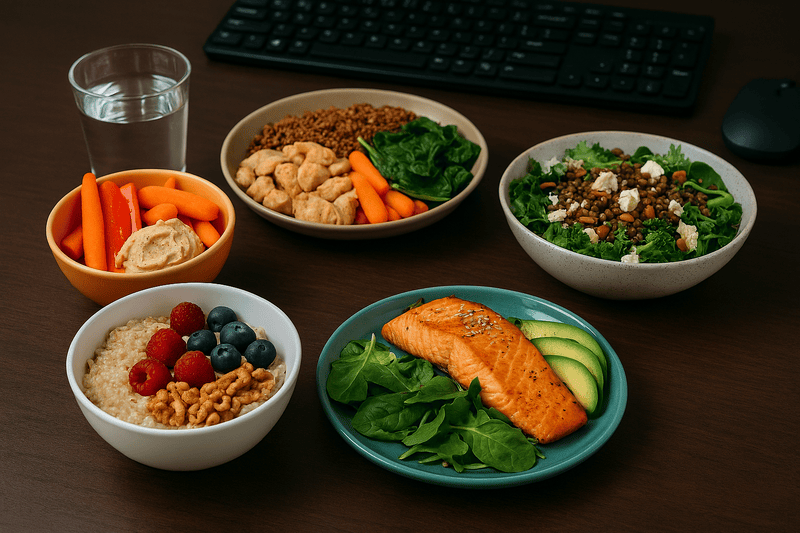
Below are some simple, actionable points to adopt better eating habits:
- Stay hydrated: Dehydration is one of the most common triggers for afternoon headaches among remote desk workers. Seated for long hours staring at a screen, blinkers reduce significantly, and it becomes easy to forget to have a drink of water. Keeping a water bottle at your desk and sipping water regularly can keep your blood flowing smoothly and ensure you do not get headaches while doing complicated code refactoring. Staying hydrated is critical for your mood, too; keep water, water sparkling or cucumber mint infusions at your desk.
- Fluid requirements vary with the individual, climate, activity level and health circumstances. Rather than treating a fixed number of glasses as a rule for everyone, drink regularly throughout the day and pay attention to signs of dehydration. Water is a practical everyday choice, while other drinks and some foods also contribute to fluid intake.
- Check here for more on hydration habit.
- Wash hands before preparing or eating food: Your keyboard and mouse are not fit for eating. Keep your workspace germ-free. Check here to learn on preventing food poisoning.
- Include a variety of nutritious foods: Healthy fats are critical for brain development and function. Some of the best sources are Walnuts, Flaxseeds, Salmon, Avocados, and Chia seeds.
- Choose whole grains and fibre-rich foods regularly: Refined carbs can lead to energy crashes and spikes. Opt for complex carbs like Oats, Brown rice, Quinoa, and whole wheat instead.
- Include suitable protein sources: Proteins help the body to feel full for extended periods while providing the amino acids required for neurotransmitter creation. Some excellent sources are Eggs, Greek yogurt, Tofu, Lentils, and lean meats like Chicken and Fish.
- Plan snacks and meals around your working routine: Late-night coding sessions often involve unhealthy snacking and energy drinks for that much-needed burst of energy. This leads to a spike in energy levels followed by a crashing low, impacting the sleep cycle. This, in turn, affects the productivity and focus levels of the software engineer the following day. Instead, opt for healthier snacks like nuts and seeds or herbal teas to help you wind down and prepare for a deep sleep. Swap out unhealthy for healthy: Nuts and seeds or cottage cheese with raw veggies like carrots and bell peppers can help keep your blood sugar levels stable while also providing healthy fats.
- Prepare and store food safely: Preparing meals at home can make it easier to choose ingredients and control the amount of salt, sugar and oil used. However, food prepared outside the home is not automatically unhealthy, and home cooking does not guarantee food safety. Proper storage, clean preparation surfaces and thorough cooking remain important wherever food is prepared. Refrigerate perishable food promptly, keep raw meat separate from ready-to-eat food, and use clean utensils and preparation surfaces. Follow safe cooking and storage guidance rather than relying on appearance or smell alone.
- Take a break from your workstation to eat: Taking a break from your screen to eat your food helps your body relax and aids digestion. It also limits germs from getting into your food.
- Wash fresh fruits and vegetables correctly: Rinse fresh fruits and vegetables under clean running water before eating, cutting or cooking them. Scrub firm produce with a clean produce brush where appropriate. Washing helps remove dirt and some surface contamination, but it does not guarantee the removal of all pesticide residues or harmful microorganisms. Follow storage instructions and keep produce separate from raw meat and poultry. Regarding fruit and vegetable safety at home, read here.
Committing to a healthier lifestyle is the best thing one can do for themselves. Making simple changes in your daily food habits is the best investment you can make.
Lifestyle Factors That Can Affect Well-being and Sleep
Poor food habits are correlated with impaired cognitive performance. As a developer, your most important asset is your brain. Often, developers resort to smoking, alcohol, and caffeine as a means to unwind amidst the constant pressures of the tech world. However, these vices not only take a toll on the body but also limit a software developer’s ability to produce clean code and focus.

1. Smoking
Smoking is often seen as a quick fix for stress, but the cognitive toll it takes is enormous.
- Clear Logic: Caffeine is a stimulant that can temporarily increase alertness. However, consuming it too late in the day or in excessive amounts can interfere with sleep and may contribute to restlessness or anxiety in some people. Sensitivity varies, so it is useful to consider both the amount consumed and the timing.
- Impact on Programming: For software professionals, poor sleep can make it harder to maintain attention and manage demanding work. Caffeine may temporarily mask tiredness, but it does not replace adequate sleep. Pay attention to how caffeine affects your sleep and concentration rather than relying on increasingly large amounts.
2. Alcohol
Alcohol consumption can rapidly turn into a hindrance for the developer, impacting their performance during the upcoming workday.
- Clear Logic: Alcohol is a depressant and impacts the frontal cortex, impairing judgment, complex problem-solving, and decision-making. Worse, alcohol consumption can have a direct impact on sleep cycles, specifically reducing the amount of REM sleep, impeding memory consolidation and learning [Source: Journals from OXFORD Academic].
- Impact on Programming: The cognitive impact of alcohol consumption can be seen in the next day’s productivity and focus levels of the developer. With reduced REM sleep, memories of the previous day are harder to recall, impacting the developer’s ability to write clean code.
3. Excessive Caffeine
Caffeine consumption is often the go-to solution for increased focus and to help beat the afternoon crash.
- Clear Logic: Excessive caffeine consumption impacts the adenosine receptors in the brain, preventing sleep and inducing stress. The body quickly builds up a tolerance to caffeine, and as a result, the developer needs more and more caffeine to get the same effect. The constant overconsumption of caffeine can wreak havoc on the body’s stress management system [Source: Coffee and sleep: Benefits and risks].
- Impact on Programming: The immediate impact of excessive caffeine is a boost in concentration and alertness. However, as the body adjusts, the effects begin to diminish, leaving the developer in a state of anxiety and ‘jitters’. Severe cases lead to ‘crashes’ that leave the developer feeling more fatigued than before. Overall, the stress and irregular sleep patterns caused by excessive caffeine consumption can derail a developer’s focus and, in the long run, lead to burnout.
Build Healthier Habits Around Your Workday
Software development can involve long periods of concentration, but maintaining basic health habits should not become another complicated project. Regular meals, adequate fluids, balanced food choices and safe food preparation are practical ways to support general well-being.
Start with manageable changes. Keep drinking water accessible, take a proper break for meals, wash your hands before eating and store food safely. These habits do not guarantee better code or increased productivity, but they can help create a healthier routine around demanding workdays.
Your professional growth matters, but looking after your general well-being matters too.
For your convenience, I have written out some of my best articles on software engineering best practices, which can be found here. I have begun the long process of writing tutorials, which can also be found here.