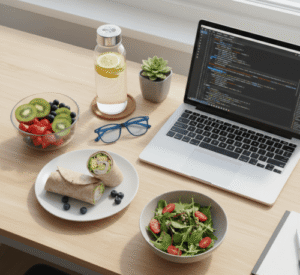
In the daily hustle of bug fixes, production deploys, and planning meetings, software engineers often lose sight of the quality of what they eat. Hours of sitting down, plus readily available fast-food options and sweet snacks, can be a recipe for chronic fatigue, impaired mental performance, and subpar code quality. A commitment to hygienic food habits for software engineers is crucial to their overall well-being in the long run.
A commitment to hygienic food habits for software professionals not only focuses on general health benefits, but also has a direct impact on their focus, bug-solving capabilities, and the longevity of their software careers.
Below are some crucial eating habits to keep in mind while adopting a hygienic food culture for software professionals, along with a discussion of the cognitive limitations of smoking, alcohol, and caffeine.
Hygienic Eating Habits for Software Engineers
The human brain requires around 20% of the total calories for optimal functioning. Poor eating habits lead to:
- Lack of Clarity During Mid-Day: This directly impacts the code quality and productivity of software engineers during the day.
- Energy & Mood Swings: Irregular energy levels make it difficult to deal with the daily stresses of the software engineer.
- Heightened Risk of Lifestyle Diseases: Sitting for long hours with improper nutrition is a leading cause of obesity and cardiac ailments that can derail a software career.
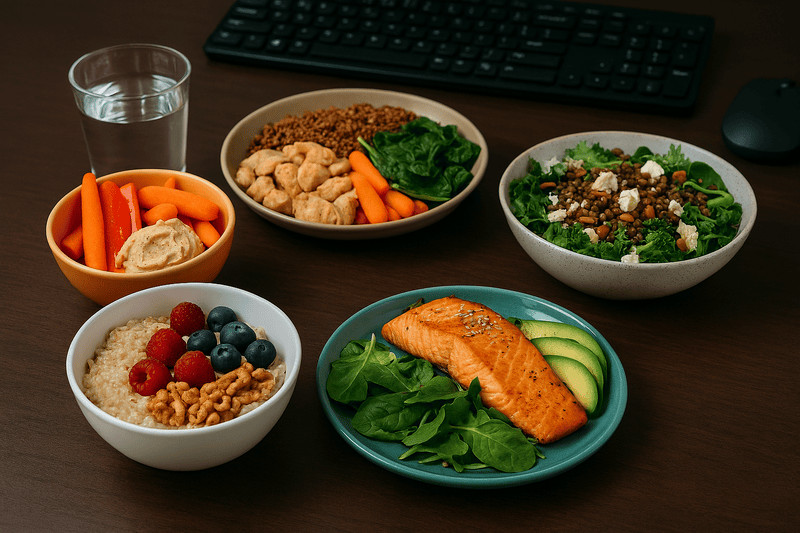
Below are some simple, actionable points to adopt better eating habits:
- Stay Hydrated: Dehydration is one of the most common triggers for afternoon headaches among remote desk workers. Seated for long hours staring at a screen, blinkers reduce significantly, and it becomes easy to forget to have a drink of water. Keeping a water bottle at your desk and sipping water regularly can keep your blood flowing smoothly and ensure you do not get headaches while doing complicated code refactoring. Staying hydrated is critical for your mood, too; keep water, water sparkling or cucumber mint infusions at your desk. Aim for 8-10 glasses of water a day.
- Wash Hands Before and After Eating or Cooking: Your keyboard and mouse are not fit for eating. Keep your workspace germ-free.
- Add Healthy Fats to Your Diet: Healthy fats are critical for brain development and function. Some of the best sources are Walnuts, Flaxseeds, Salmon, Avocados, and Chia seeds.
- Limit Refined Carbohydrates: Refined carbs can lead to energy crashes and spikes. Opt for complex carbs like Oats, Brown rice, Quinoa, and whole wheat instead.
- Add Proteins to Your Diet: Proteins help the body to feel full for extended periods while providing the amino acids required for neurotransmitter creation. Some excellent sources are Eggs, Greek yogurt, Tofu, Lentils, and lean meats like Chicken and Fish.
- No More Late-Night Junk Food: Late-night coding sessions often involve unhealthy snacking and energy drinks for that much-needed burst of energy. This leads to a spike in energy levels followed by a crashing low, impacting the sleep cycle. This, in turn, affects the productivity and focus levels of the software engineer the following day. Instead, opt for healthier snacks like nuts and seeds or herbal teas to help you wind down and prepare for a deep sleep. Swap out unhealthy for healthy: Nuts and seeds or cottage cheese with raw veggies like carrots and bell peppers can help keep your blood sugar levels stable while also providing healthy fats.
- Cook at Home: Controlling the amount of salt, sugar, and oil that goes into the food is critical for long-term health. Preparing food at home rather than ordering in helps avoid the use of preservatives and other additives that may be present in the food prepared outside.
- Skip Eating at Your Desk: Taking a break from your screen to eat your food helps your body relax and aids digestion. It also limits germs from getting into your food.
- Wash all Fruits and Vegetables: Even if they are pre-packaged, always rinse them under running water to remove any traces of pesticides or bacteria.
Committing to a healthier lifestyle is the best thing one can do for themselves. Making simple changes in your daily food habits is the best investment you can make.
Cognitive Limitations: Impact of Smoking, Alcohol, and Caffeine
Poor food habits are correlated with impaired cognitive performance. As a developer, your most important asset is your brain. Often, developers resort to smoking, alcohol, and caffeine as a means to unwind amidst the constant pressures of the tech world. However, these vices not only take a toll on the body but also limit a software developer’s ability to produce clean code and focus.

1. Smoking
Smoking is often seen as a quick fix for stress, but the cognitive toll it takes is enormous.
- Clear Logic: Smoking increases carbon monoxide levels in the blood, impacting the oxygen supply to the body. Nicotine addiction generates stress that can only be temporarily soothed by the next cigarette [Source: National Library of Medicine].
- Impact on Programming: Lack of oxygen in the brain impacts cognitive performance, making it harder to concentrate and maintain focus. Smoking can also accelerate age-related cognitive decline, impacting a developer’s ability to debug efficiently in the long run.
2. Alcohol
Alcohol consumption can rapidly turn into a hindrance for the developer, impacting their performance during the upcoming workday.
- Clear Logic: Alcohol is a depressant and impacts the frontal cortex, impairing judgment, complex problem-solving, and decision-making. Worse, alcohol consumption can have a direct impact on sleep cycles, specifically reducing the amount of REM sleep, impeding memory consolidation and learning [Source: Journals from OXFORD Academic].
- Impact on Programming: The cognitive impact of alcohol consumption can be seen in the next day’s productivity and focus levels of the developer. With reduced REM sleep, memories of the previous day are harder to recall, impacting the developer’s ability to write clean code.
3. Excessive Caffeine
Caffeine consumption is often the go-to solution for increased focus and to help beat the afternoon crash.
- Clear Logic: Excessive caffeine consumption impacts the adenosine receptors in the brain, preventing sleep and inducing stress. The body quickly builds up a tolerance to caffeine, and as a result, the developer needs more and more caffeine to get the same effect. The constant overconsumption of caffeine can wreak havoc on the body’s stress management system [Source: Coffee and sleep: Benefits and risks].
- Impact on Programming: The immediate impact of excessive caffeine is a boost in concentration and alertness. However, as the body adjusts, the effects begin to diminish, leaving the developer in a state of anxiety and ‘jitters’. Severe cases lead to ‘crashes’ that leave the developer feeling more fatigued than before. Overall, the stress and irregular sleep patterns caused by excessive caffeine consumption can derail a developer’s focus and, in the long run, lead to burnout.
Invest in Your Health to Invest in Clean Code
Your health, especially your brain, is your most critical asset as a software developer. Committing to hygienic eating habits and avoiding harmful substances are essential if one wishes to prolong their software career. Adopting healthier eating habits will directly impact the focus and quality of code produced by the developer. Making better food choices and limiting substances like caffeine can help extend a developer’s software career in the long run.
Adopting a healthier lifestyle does not need to be a dramatic overhaul of your current habits. Making small changes to your daily routine – eating healthier, staying hydrated on days spent deep into your code sprints, and avoiding unhealthy foods on your desk – can significantly improve your energy levels. Healthy eating directly translates to clean code, improved focus, and an extended software career.
For your convenience, I have written out some of my best articles on software engineering best practices, which can be found here. I have begun the long process of writing tutorials, which can also be found here.